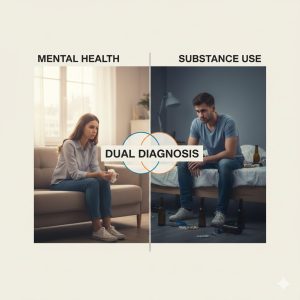
 Dual diagnosis is a term used to describe the presence of both a mental health disorder and a substance use disorder in the same individual. This combination is more common than many realize and presents unique challenges in recovery. Addressing only one condition while ignoring the other often leads to relapse, frustration, and prolonged suffering. That is why coordinated care between doctors and counselors is essential. At Dr. Deidre Whittle LPC, dual diagnosis treatment is approached with compassion, professionalism, and a focus on individualized care, integrating medical expertise, mental health therapy, and holistic supports for lasting results.
What Makes Dual Diagnosis Complex
Dual diagnosis is complex because mental health disorders and addiction often influence and exacerbate each other. Anxiety, depression, trauma, or bipolar disorder can increase vulnerability to substance use. Conversely, chronic substance use can intensify mental health symptoms, creating a cyclical pattern that is difficult to break.
Treating one condition without the other can result in incomplete recovery. For example, addressing substance use through detox and therapy alone may leave an underlying anxiety disorder untreated, increasing the risk of relapse. Similarly, focusing solely on mental health without addressing addiction can compromise emotional stability and overall progress.
The Importance of Coordinated Care
Medical Assessment and Monitoring
Doctors play a critical role in dual diagnosis treatment by conducting thorough medical evaluations. They assess the effects of substance use on the body, identify co-occurring conditions, and develop safe, effective treatment plans. This may include medication-assisted treatment, mental health medications, or monitoring for withdrawal symptoms that could impact therapy sessions.
Regular medical oversight ensures that physical health and mental well being are maintained throughout the recovery process, reducing risk and supporting long-term stability.
Collaborative Therapy and Counseling
Counselors complement medical care by addressing behavioral patterns, coping skills, and emotional regulation. Through approaches such as cognitive behavioral therapy, motivational interviewing, or faith-based counseling, individuals learn practical tools to manage cravings, triggers, and mental health symptoms.
Coordinated communication between doctors and counselors ensures that interventions are aligned, progress is tracked, and care is responsive to changes in symptoms or circumstances. This integration allows treatment to be dynamic and personalized, rather than fragmented or reactive.
Holistic and Faith Based Approaches in Dual Diagnosis
Treating the Whole Person
Effective dual diagnosis care recognizes that recovery involves more than managing symptoms. Holistic strategies, such as mindfulness practices, stress management, nutrition, and physical activity, support emotional and physical resilience. These practices are particularly valuable in maintaining stability outside of formal therapy sessions.
Incorporating Spiritual and Personal Values
Faith-based approaches can also enhance dual diagnosis treatment by providing meaning, purpose, and motivation. When recovery aligns with an individual’s spiritual beliefs, it often fosters hope and reinforces commitment to healthy behaviors. Doctors and counselors at Dr. Whittle’s practice integrate these elements thoughtfully, tailoring care to each person’s values and life goals.
Benefits of Coordinated Dual Diagnosis Care
-
Reduced Risk of Relapse: Treating both addiction and mental health together addresses root causes and strengthens coping strategies.
-
Improved Emotional Regulation: Integrated therapy helps individuals manage triggers, stress, and emotional challenges.
-
Comprehensive Support: Medical oversight, counseling, and holistic strategies work together to promote long-term wellness.
-
Personalized Treatment: Each plan is tailored to the individual’s unique history, needs, and goals, increasing engagement and success.
Taking the Next Step in Recovery
Dual diagnosis recovery is possible with the right team, guidance, and individualized support. Coordinated care from doctors and counselors ensures that both addiction and mental health conditions are addressed together, improving outcomes and empowering individuals to build meaningful, lasting lives in recovery.
If you or a loved one is struggling with a dual diagnosis, seeking professional help is the first step toward sustainable change. Contact Dr. Deidre Whittle LPC today to learn how compassionate, integrated care can support your journey toward holistic healing and long-term recovery.