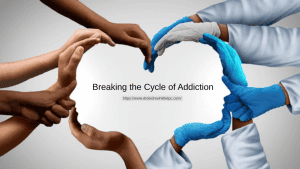
 Addiction is a complex condition that affects the body, mind, and spirit. Breaking free from substance dependence requires more than willpower—it requires coordinated, professional support that addresses the whole person. At Dr. Deidre Whittle’s practice, doctors and therapists work together to provide comprehensive addiction counselling that combines medical supervision, therapeutic guidance, and holistic, faith-based care. This collaborative approach helps patients not only overcome addiction but also build resilience, confidence, and lasting well-being.
The Importance of a Collaborative Approach
Addiction is rarely an isolated issue. It often intersects with mental health conditions, past trauma, and social challenges. Treating it effectively requires both medical expertise and psychological insight. Doctors and therapists bring complementary skills to the table. Physicians focus on the biological aspects of addiction, such as withdrawal management and medication-assisted treatment, while therapists address emotional, behavioral, and cognitive patterns that sustain substance use.
By working together, these professionals create an integrated care plan that ensures patients receive personalized, comprehensive support from every angle.
The Role of Doctors in Addiction Recovery
Medical Assessment and Safety
Doctors begin with a thorough evaluation of the patient’s physical health, substance use history, and mental well-being. This assessment identifies any underlying medical conditions that may affect recovery. During withdrawal and early recovery, physicians monitor patients closely to manage symptoms safely, reducing risks and ensuring a stable foundation for therapeutic work.
Medication-Assisted Treatment
In cases of severe addiction, medication-assisted treatment (MAT) can help reduce cravings and manage withdrawal symptoms. Physicians carefully prescribe and monitor medications such as buprenorphine, methadone, or naltrexone, supporting patients in the early stages of recovery while enabling them to engage fully in counseling and therapy.
The Role of Therapists in Recovery
Emotional and Behavioral Support
Therapists provide a safe space for patients to explore the psychological roots of addiction. They use evidence-based techniques such as cognitive-behavioral therapy, motivational interviewing, and trauma-informed care to help patients understand triggers, develop coping strategies, and rebuild self-esteem.
Holistic and Faith-Based Guidance
At Dr. Whittle’s practice, therapy also incorporates holistic and faith-based principles, addressing the spiritual and emotional dimensions of recovery. This approach helps patients reconnect with purpose and values while cultivating resilience and motivation for long-term sobriety.
How Collaboration Enhances Recovery
When doctors and therapists collaborate, patients benefit from a seamless approach that aligns physical, emotional, and spiritual care. Physicians monitor medical progress and adjust treatment as needed, while therapists provide ongoing emotional support and skill-building. Regular communication between the care team ensures that treatment evolves with the patient’s needs, reducing the risk of relapse and strengthening the likelihood of lasting recovery.
Creating a Personalized Path to Healing
Every individual’s journey is unique. Some patients thrive in inpatient programs that provide structure and constant support, while others benefit from outpatient care that accommodates work, school, or family responsibilities. Doctors and therapists work together to design personalized plans that reflect each patient’s circumstances, goals, and spiritual values.
Take the First Step Toward Transformation
Breaking the cycle of addiction is possible with coordinated, compassionate care. By combining medical supervision, therapeutic guidance, and holistic support, doctors and therapists help patients heal fully and build the tools needed for long-term recovery.
If you or a loved one is struggling with addiction, reaching out for professional support is the first step toward transformation. Contact Dr. Deidre Whittle’s practice today to explore personalized, faith-based, and medically guided addiction counselling that can help you reclaim your life.